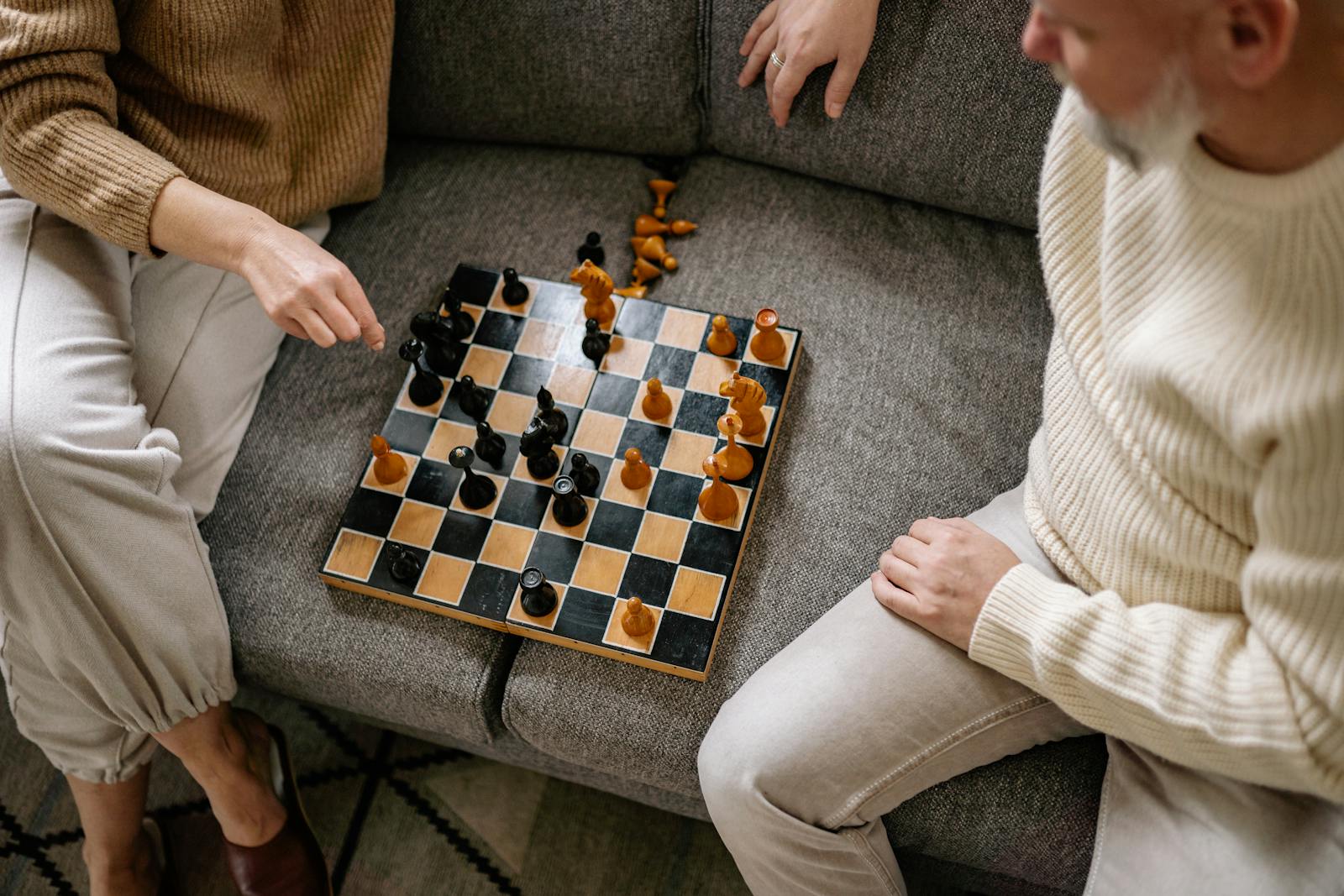
“Often it isn't the mountains ahead that wear you out, it's the little pebble in your shoe.” — Muhammad Ali
That quote has always stuck with me. It reminds me of the quiet, persistent things in life that weigh us down — the leaky faucet we keep meaning to fix, the extra room no one uses, the stairs that feel a little steeper each year. When it comes to our homes, it's often not one big reason that gets us thinking about change — it's the build-up of small ones.
Over the years, I’ve worked with many people across Greater Vancouver who made the decision to downsize — not just to save space, but to gain peace of mind. Their stories are different, but the motivation is often the same: to solve problems and create a lifestyle that feels more aligned with where they are now, not where they were 10 or 20 years ago.
Here are some of the most common “pebbles” that push people to consider a smaller, simpler home:
1. High Maintenance Costs
Larger homes come with bigger utility bills, higher repair costs, and constant upkeep. If your weekends are filled with mowing lawns, cleaning gutters, and fixing things around the house, downsizing can offer welcome relief — and a much lighter expense sheet.
2. Time Constraints
Your time is valuable. If home maintenance is taking you away from hobbies, grandkids, travel plans, or just enjoying a slow morning coffee, it may be time to reconsider how your home is serving you.
3. The Empty Nest
When the kids move out, the house can start to feel more like a storage unit than a home. Many downsizers tell me they don’t need four bedrooms and a rec room anymore — just a cozy, manageable space that reflects the lifestyle they live today.
4. Financial Flexibility
Downsizing can significantly reduce monthly costs — from your mortgage or property taxes to heating bills and strata fees. For many, this financial breathing room opens up possibilities: early retirement, travel, investing, or simply sleeping better at night.
5. Desire for Simplicity
There’s something powerful about letting go of what you no longer need. A smaller home encourages a simpler, more intentional way of living. Less clutter. Fewer distractions. More room for the things (and people) that matter.
6. Health and Mobility

Stairs, uneven walkways, or large homes can become a challenge with age or health issues. Many downsizers are choosing homes that offer single-level living, elevators, or better accessibility so they can stay independent and safe for years to come.
7. Lifestyle First
Downsizing isn’t just about what you leave behind — it’s about what you move toward. Whether that’s a walkable community, social activities, access to healthcare, or a lock-and-leave condo so you can travel more, smaller living can often mean bigger living in all the right ways.
8. Living Lighter
Many homeowners are also thinking about sustainability. A smaller footprint often means a smaller carbon footprint. Downsizing is one way to align your living space with your values, especially if you’re conscious of your environmental impact.
So… Is It Time?
The decision to downsize is deeply personal. It’s not about age — it’s about alignment. Does your current home support your life today, or are you spending time and money on things that no longer serve you?
If you’ve been noticing those little pebbles — the extra space, the maintenance, the stairs, the bills — you don’t have to wait until they become mountains. Downsizing is about designing your next chapter on purpose, rather than letting it unfold by default.

 The data relating to real estate on this website comes in part from the MLS® Reciprocity program of either the Greater Vancouver REALTORS® (GVR), the Fraser Valley Real Estate Board (FVREB) or the Chilliwack and District Real Estate Board (CADREB). Real estate listings held by participating real estate firms are marked with the MLS® logo and detailed information about the listing includes the name of the listing agent. This representation is based in whole or part on data generated by either the GVR, the FVREB or the CADREB which assumes no responsibility for its accuracy. The materials contained on this page may not be reproduced without the express written consent of either the GVR, the FVREB or the CADREB.